

Biotechnology
If you are interested in biology and/or chemistry and would like to apply the knowledge gained in these subjects to various aspects of human life, join us!
Biotechnology is an interdisciplinary field that combines natural and exact sciences. It addresses pressing global challenges such as food security, disease treatment, and environmental sustainability, enabling students and graduates to contribute to meaningful solutions.
Biotechnology is a programme for curious and ambitious individuals who want to have a real impact on the development of medicine, pharmacy, and environmental protection. By studying biotechnology, you will learn modern laboratory techniques and explore the molecular mechanisms of life at the level of cells and DNA. This field integrates biology, chemistry, and advanced technologies, offering broad career opportunities both in Poland and abroad.
Graduates of biotechnology find employment in pharmaceutical companies, research laboratories, and the rapidly growing biotechnology sector. If you want to participate in the development of new medicines, vaccines, and innovative solutions for the future, biotechnology is the right choice for you.
Courses within the programme are divided into compulsory and elective modules. This structure ensures that every student gains a solid foundation in all core areas of biotechnology while also having the opportunity to choose their preferred area of specialization.
The programme prepares specialists for careers in the medical, pharmaceutical, food, and research sectors. Study biotechnology at KUL — we place strong emphasis on practical training and the development of laboratory skills. Practical classes are conducted in small groups of up to eight students, enabling active participation and easy access to modern laboratory equipment.
Information
- First degree studies (3 years)
- full-time studies
- degree obtained: bachelor
- language of study: english
- planed number of places: 20
- Faculty of Medicine
- STUDY PROGRAMME
- Tuition fee: 11400PLN /semester
Educational requirements
Foreign Secondary School Certificate / IB / EB diploma / Polish "matura" certificate
Competition on the basis of secondary school certificate – the result of the written test is scored on the two of the following subjects:
mathematics, biology, chemistry, physics. Each subject is 50% of the final result.
Legalization/recognition of educational documents issued abroad
Required documents
In addition to a Secondary School Certificate a candidate is also required to submit:
- a certificate confirming English language proficiency at B2 level: (see the list)
* the written part of Polish matura examination in English language at the advanced level with the result 60% or higher is tantamount to a certificate confirming English language proficiency at level B2
Score convertion rules
Admissions Office KUL will convert your results into Polish grading system according to the score convertion rules
Entrance examination - requirements
For candidates with a certificate/diploma obtained in a country other than a member state of the EU, OECD, EFTA, Ukraine or China, the entrance examination is required.
Exam topics:
- DNA structure7
- Protein structure
- Plant and animal cell structure
- Bacterial structure
- Systems in the human body and discussion of its structure
- Percentage concentration of salt solutions
- Calculating the molar mass of chemical compounds
- The function of a chemical catalyst and factors affecting its performance
- The pH of solutions. What determines the pH of an aqueous solution? How to calculate and test it.
Why Biotechnology at KUL?
Why this field of study - TOP reasons
- The Biotechnology programme has been steadily improving its position in the annual PERSPEKTYWY ranking. It currently ranks 10th in Poland among 23 evaluated programmes and holds 1st place in Lublin.
- Classes are conducted in modern laboratories equipped with advanced research instruments.
- Laboratory classes are held in small groups of up to eight students, ensuring active participation and hands-on experience.
- Students at all levels of study have the opportunity to participate in additional free certified training courses delivered within projects funded by the Ministry of Science and Higher Education (MNiSW) and the National Centre for Research and Development (NCBR).
- Biotechnology students may participate as research team members in projects funded by the National Science Centre (NCN) and the Ministry of Science and Higher Education (MNiSW).
- Courses are delivered by research-active academic staff with extensive experience in conducting scientific research projects.
What will you learn during studies
Sample Courses:
– Laboratory Animal Handling
– Enzymology
– Molecular Biology
– Immunology
– Medical Microbiology
– Industrial Microbiology
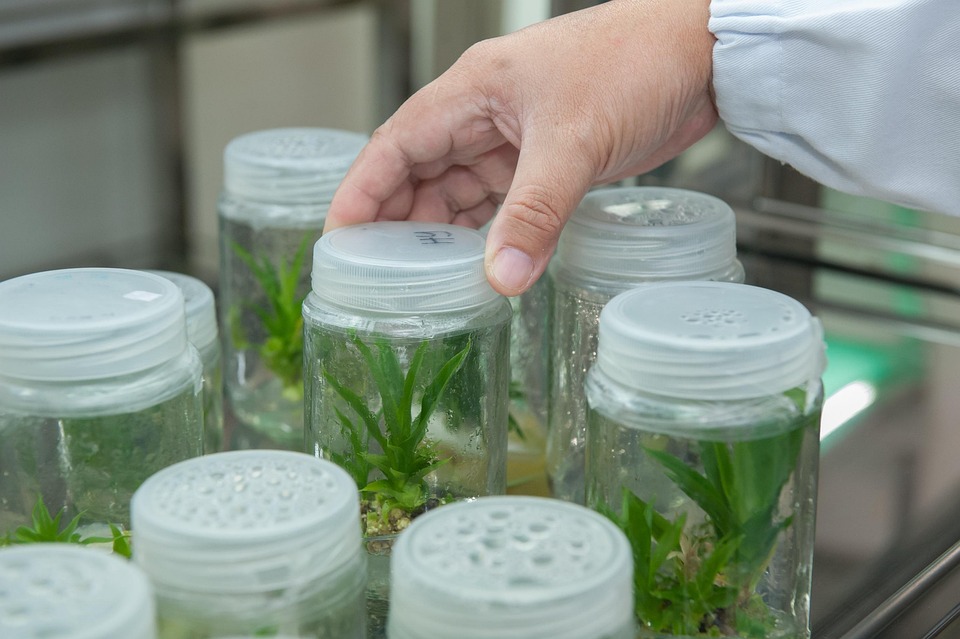
– Cell and Tissue Culture
– Pharmaceutical Biotechnology
– Food Biotechnology
– English for Biotechnology
Most courses are delivered in the form of practical laboratory classes and include content related to the application of artificial intelligence in biotechnology.
Practical Components:
- Students participate in Specialised English for Biotechnologists, gaining proficiency in industry-specific terminology.
- Students take part in additional workshops and training sessions focused on specific research methods, such as chromatography and flow cytometry.
During laboratory classes, students acquire hands-on experience in operating advanced research equipment.
Studies prepare for:
Formal qualifications
Formal Qualifications Awarded Upon Graduation:
- Certificate of completion of training in animal handling for individuals participating in experimental procedures, in accordance with §2 of the Regulation of the Minister of Science and Higher Education of 5 May 2015 on training, internships, and placements for persons performing activities related to the use of animals for scientific or educational purposes (Journal of Laws 2015, item 628, as amended).
Graduate Competencies
- Knowledge of intellectual property protection procedures and regulations related to working with laboratory animals.
- Ability to operate modern and specialized research and analytical equipment necessary for conducting scientific research in biotechnology and molecular biology (e.g., chromatography systems, electrophoresis apparatus, microscopy techniques).
- Ability to write scientific papers and present research results in English.
- Ability to design experimental studies and analyze research data.
Further Study Opportunities
Second-cycle (Master’s level) studies in Medical Biotechnology.
Our Graduates:
Our Graduates Work In
- Higher education institutions and research institutes (e.g., the Polish Academy of Sciences), in positions such as Research Assistant and Research and Teaching Assistant.
- Research, analytical, and diagnostic laboratories, as well as pharmaceutical companies, in roles such as Biotechnologist, Microbiologist, Biochemist, Laboratory Technician, Quality Control / Quality Assurance Specialist, and Drug Registration Specialist.
- Companies offering specialized research and analytical equipment, as well as laboratory materials and reagents.
Career Opportunities
Graduates are prepared to work in occupations and professional groups such as:
- Junior Laboratory Specialist (Molecular Biology)
- R&D Specialist
- Laboratory Technician in a Molecular Laboratory
- Quality Assurance / Quality Control (QA/QC) Specialist
- Research Assistant / Research Associate
- Bioinformatician
- Preclinical Research Analyst
- Specialist in Validation of Biological Methods
Where can students complete their internships
Compulsory Internship – 120 hours Students are required to complete 120 hours of professional internship in industrial facilities, laboratories, research centres, or other relevant institutions.
|
Student Life and academic community
- Students have the opportunity to engage in scientific student organizations (e.g., the KUL Biotechnology Student Research Club), as well as participate in scientific conferences, workshops, and specialist training sessions.
- Students conduct workshops for children and teenagers during events such as the Lublin Science Festival and the Night of Biologists.
- There is also an opportunity to complete part of the studies abroad or at another university in Poland through the Erasmus+ programme (international mobility) and the MOST programme (national mobility).